
Editorial Board
The Editorial Board advises Iran & Global Affairs on its intellectual direction, editorial standards, and development as an independent platform. It does not collectively edit individual articles.
The Editorial Board members’ affiliations are listed for identification purposes only and do not imply institutional endorsement of Iran & Global Affairs or of the views expressed on the platform.
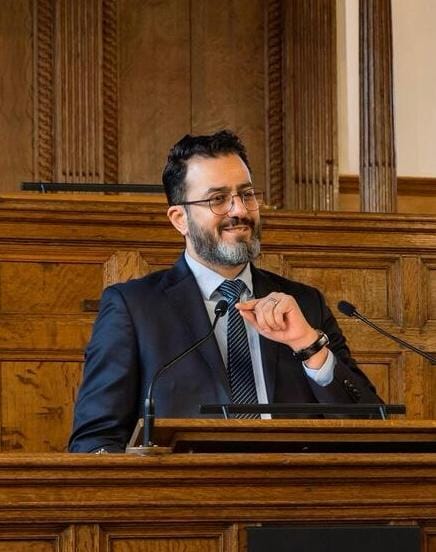
Babak RezaeeDaryakenari, Ph.D.
Babak RezaeeDaryakenari is Founder and Director of Iran & Global Affairs and Associate Professor of International Relations at Leiden University, the Netherlands. His research examines political conflict, protest and repression, political economy, and the politics of Iran and the broader Middle East. He has a particular interest in computational methods and in how digital technologies and artificial intelligence are reshaping political power, conflict, and governance. His work combines quantitative and computational approaches with substantive research on authoritarian politics, state-society relations, and international affairs. He also contributes regularly to public and policy debates on Iran, European policy, and regional security.
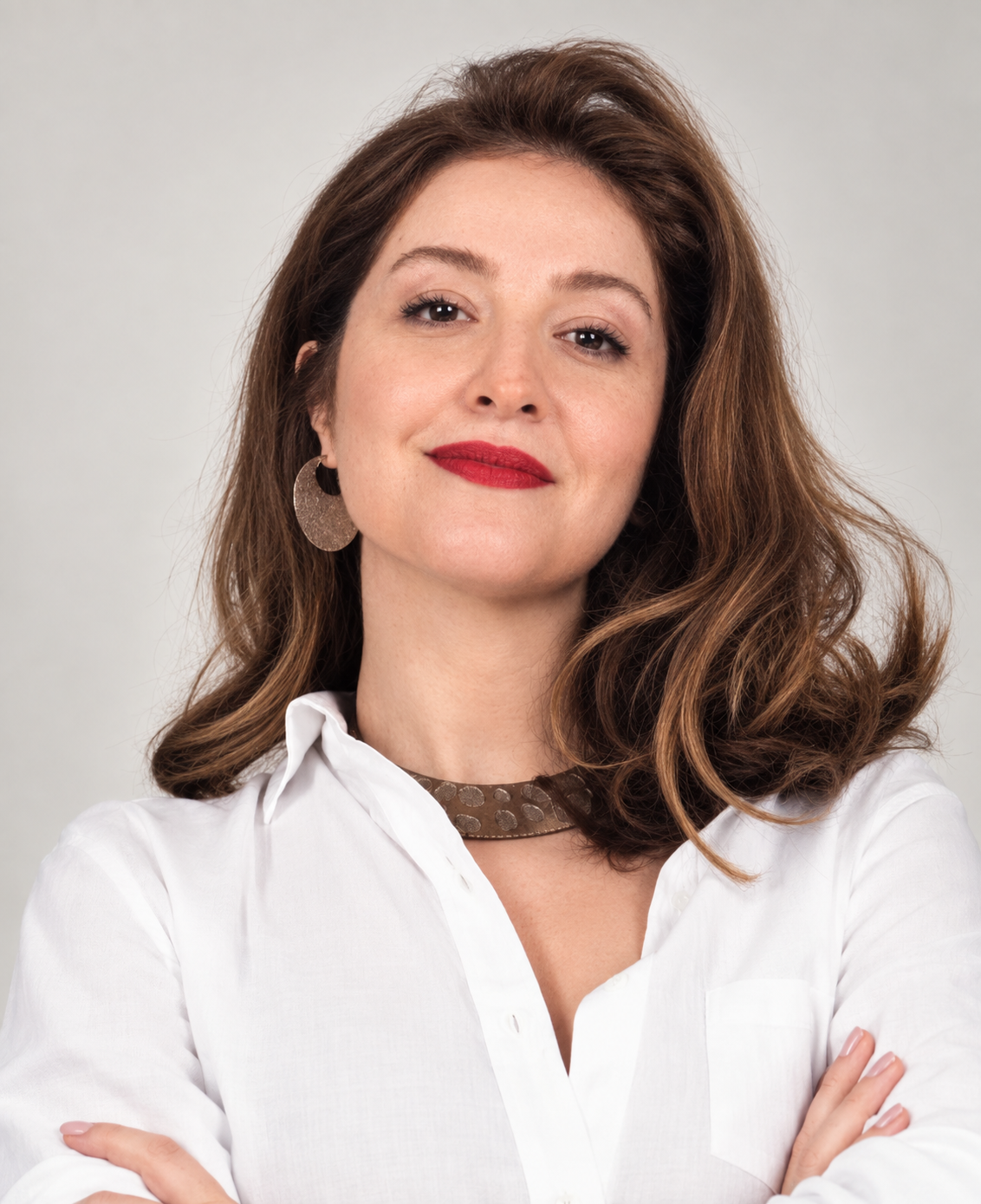
Ellee Bokharachi, MA
Ellee Bokharachi is a career and leadership coach, strategist, and content creator whose work focuses on professional development, organizational dynamics, communication, and leadership. She holds a Bachelor’s degree in Management and a Master’s degree in Art History from Arizona State University. Her professional experience spans startups, corporate organizations, and art institutions, giving her a multidisciplinary perspective on organizations, people, culture, and institutional environments.
Over the years, Ellee has worked closely with Iranian professionals and experts across industries, institutions, countries, and career stages, including professionals working at leading global companies such as Microsoft, Amazon, and other major international organizations. Through this work, she has developed a strong understanding of the breadth of expertise, professional networks, and institutional capacity that exists within the Iranian diaspora, as well as the challenges involved in connecting that capacity across geographic and professional boundaries.
Drawing on her business, creative, and institutional background, Ellee brings particular interest in how professional networks, institutions, communication, psychology, power, and relationships shape both individual and collective outcomes. She has also built a large Persian-speaking online community through candid and practical content on career strategy, workplace dynamics, leadership, and professional growth, giving her direct engagement with a broad cross-section of Iranian professionals inside Iran and across the diaspora.
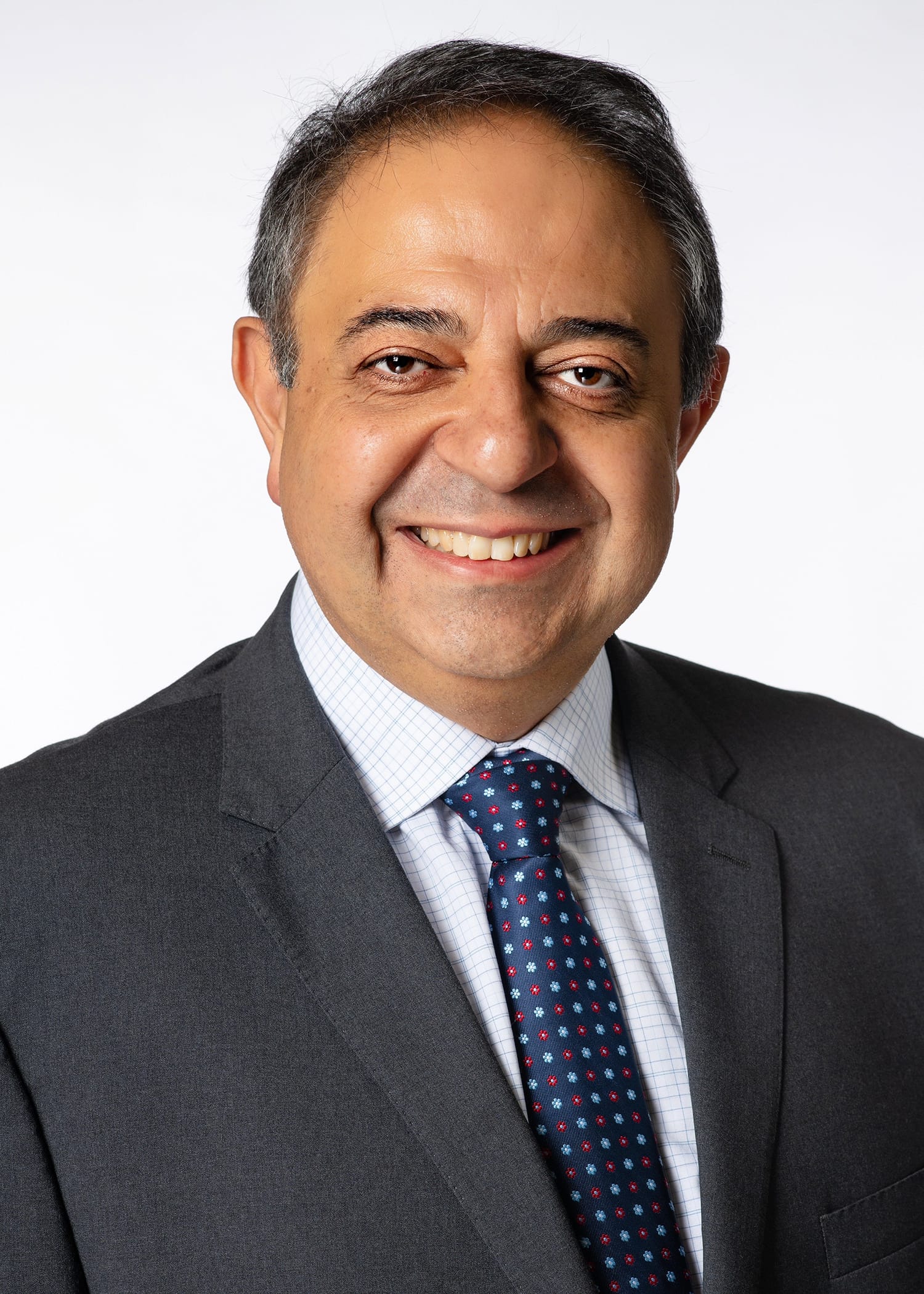
Ali Dadpey, Ph.D.
Ali Dadpay, PhD, is an economist specializing in Iran's political economy, inflation, labor markets, and regional development. He currently serves as an economist with the City of Austin's Economic Development Department, and teaches part-time at North Carolina Central University. He holds a PhD in Economics from the University of Wisconsin–Milwaukee, an MA in Economics from Virginia Tech, and a BS in Electrical Engineering from Sharif University of Technology.
His scholarly work has appeared in journals including Comparative Economic Studies, the Journal of Industry, Competition and Trade, Review of Development Economics, and the Journal of Air Transport Management — including a widely cited study on the effects of the JCPOA agreement on Iran's exports.
Beyond academia, he has been a regular commentator on Iran's economy for two decades, with pieces appearing in Al-Monitor, the Stimson Center, and in Iranian outlets including Financial Tribune, Donya-e-Eqtesad, Tejarat-e-Farda, and Farheekhtegan.
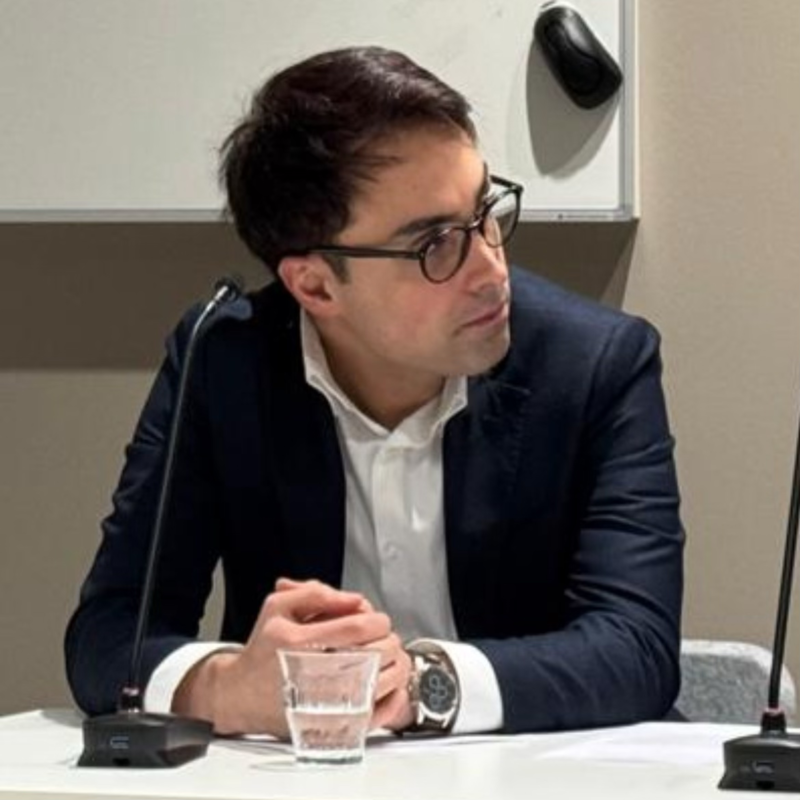
Misagh Javadpour, Ph.D. candidate
Misagh Javadpour is a scholar, lecturer, and researcher at the University of Amsterdam, where his work examines Iran and the broader Middle East through a comparative global lens. His research focuses on social movements, revolutions, political violence, and development, with a particular interest in state-society relations and the dynamics of transformative political change.
Trained across political science, sociology, and history, he employs mixed methods—including oral history, archival research, and qualitative analysis—to investigate the interplay between institutions, collective action, and historical contingency. His current research integrates historical and contemporary perspectives on Iran, situating its political, social, and economic trajectories within regional and global contexts.
Misagh is also a commentator on Iranian and Middle Eastern affairs, having appeared on outlets such as DW.